
About Dual Track Construction
Our Mission
Dual Track Construction exists to modernise post-tensioning delivery.
Our mission is simple:
Deliver structured, high-performance post-tensioning with disciplined execution, modern systems, and zero-defect standards.
We believe construction should be organised, accountable, and performance-driven, not reactive and paperwork-heavy.
DTC was built to bring clarity, speed, and control back to structural delivery.
What Is Post-Tensioning?
Post-tensioning is a structural method of strengthening concrete by applying compression after the concrete has been poured and cured.
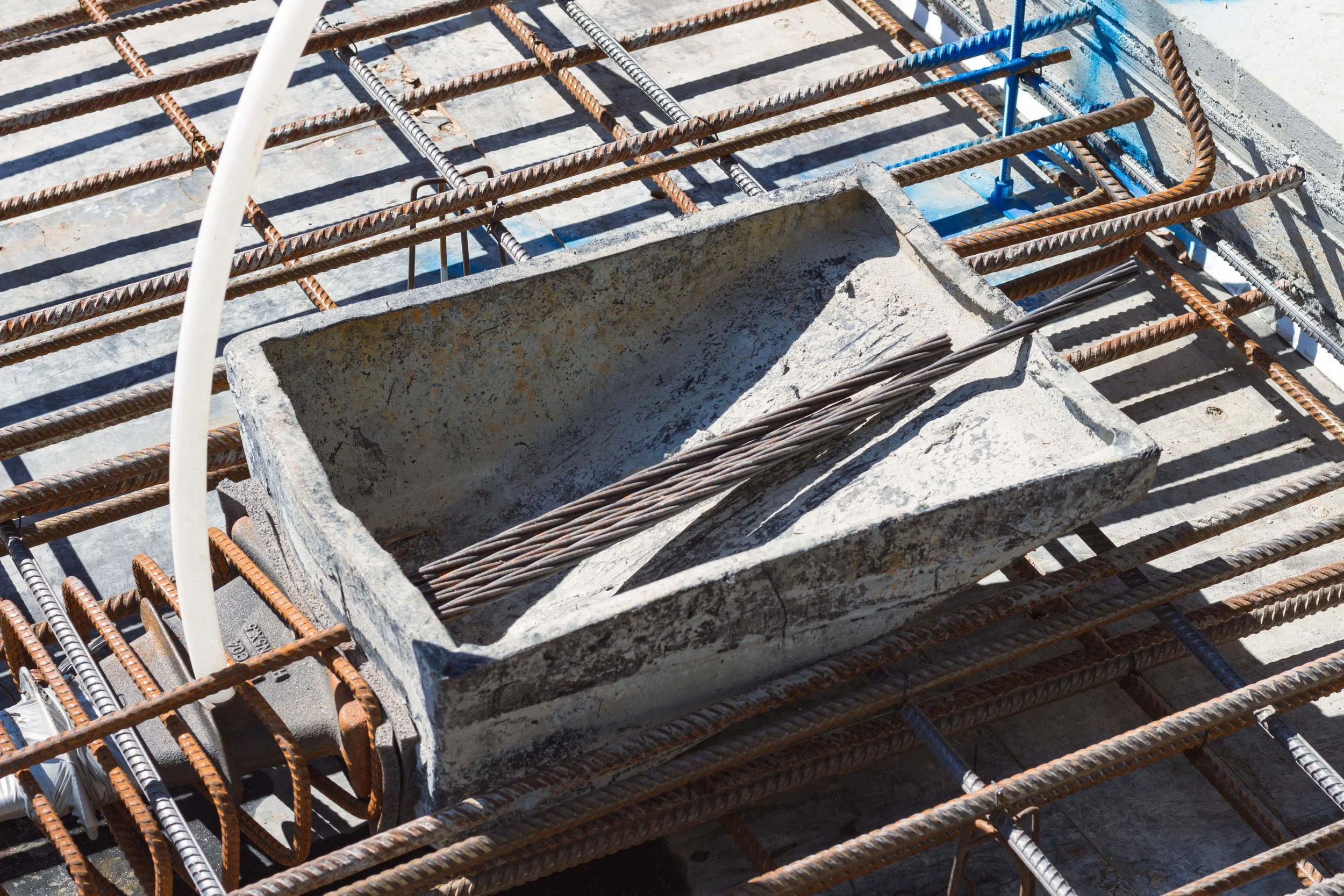
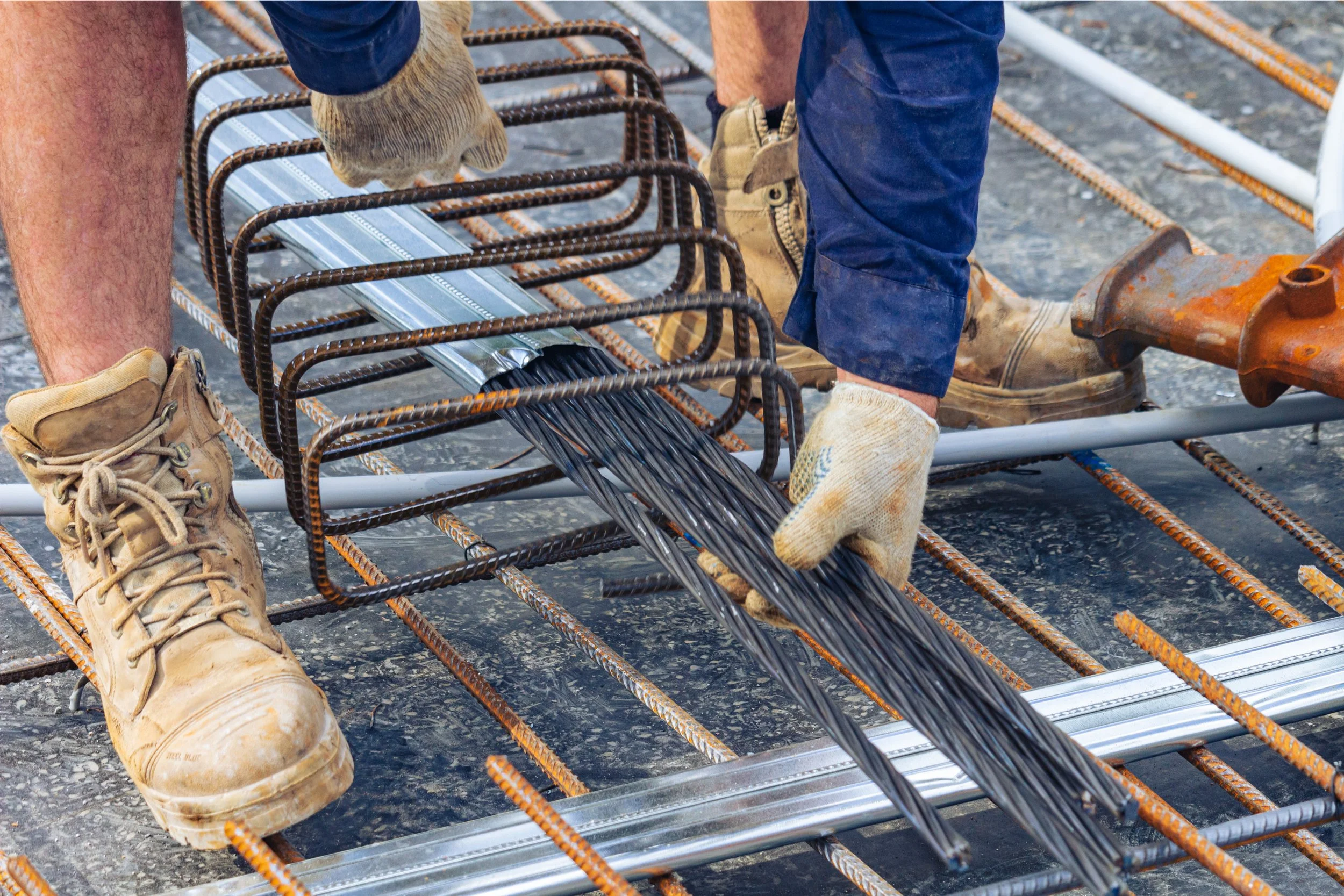
In simple terms, we introduce high-strength steel tendons into the slab before the concrete is poured. Once the concrete reaches its required strength, those tendons are stressed using hydraulic jacks and locked off in position. This compresses the concrete, increasing its load capacity and performance.
The system typically includes:
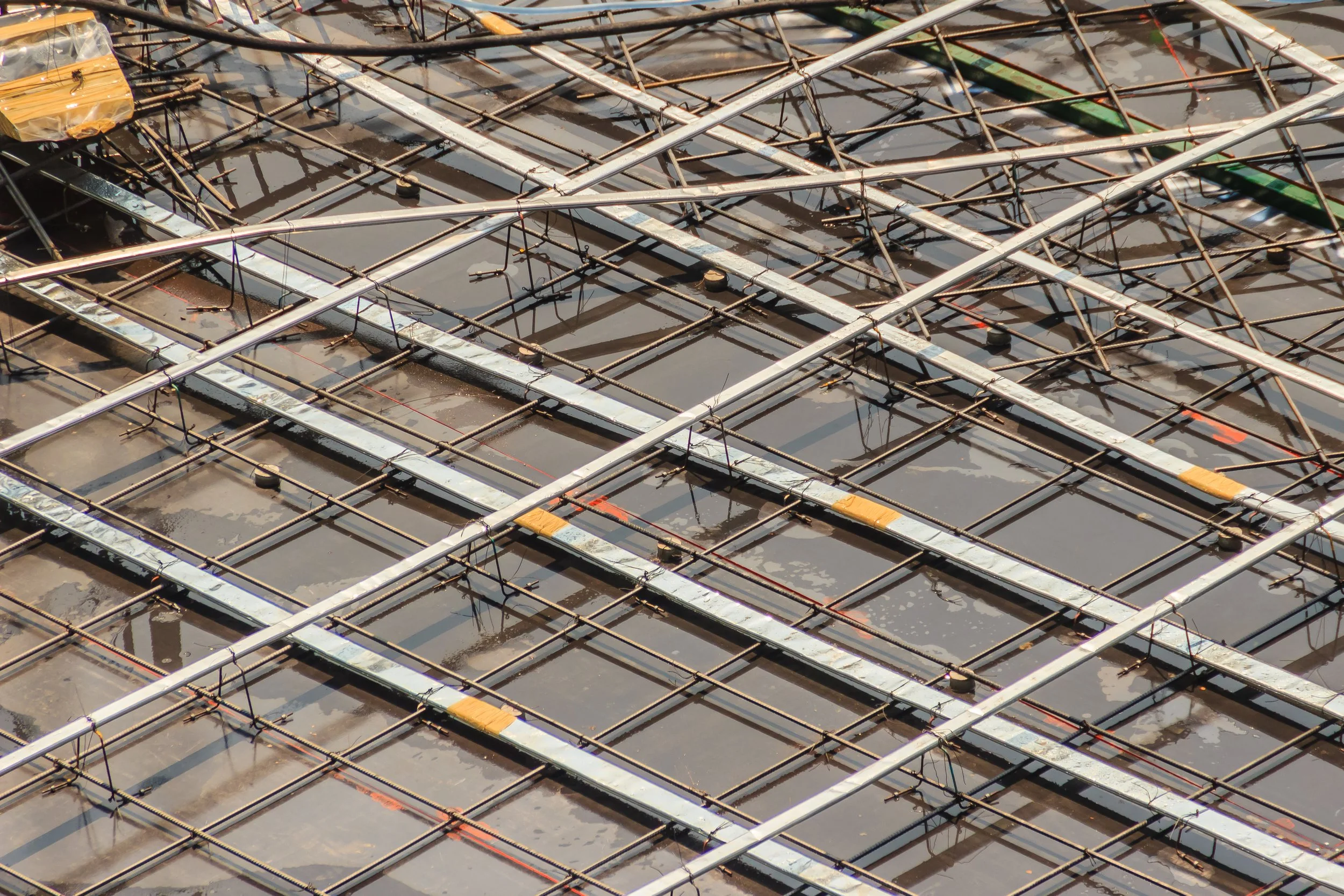
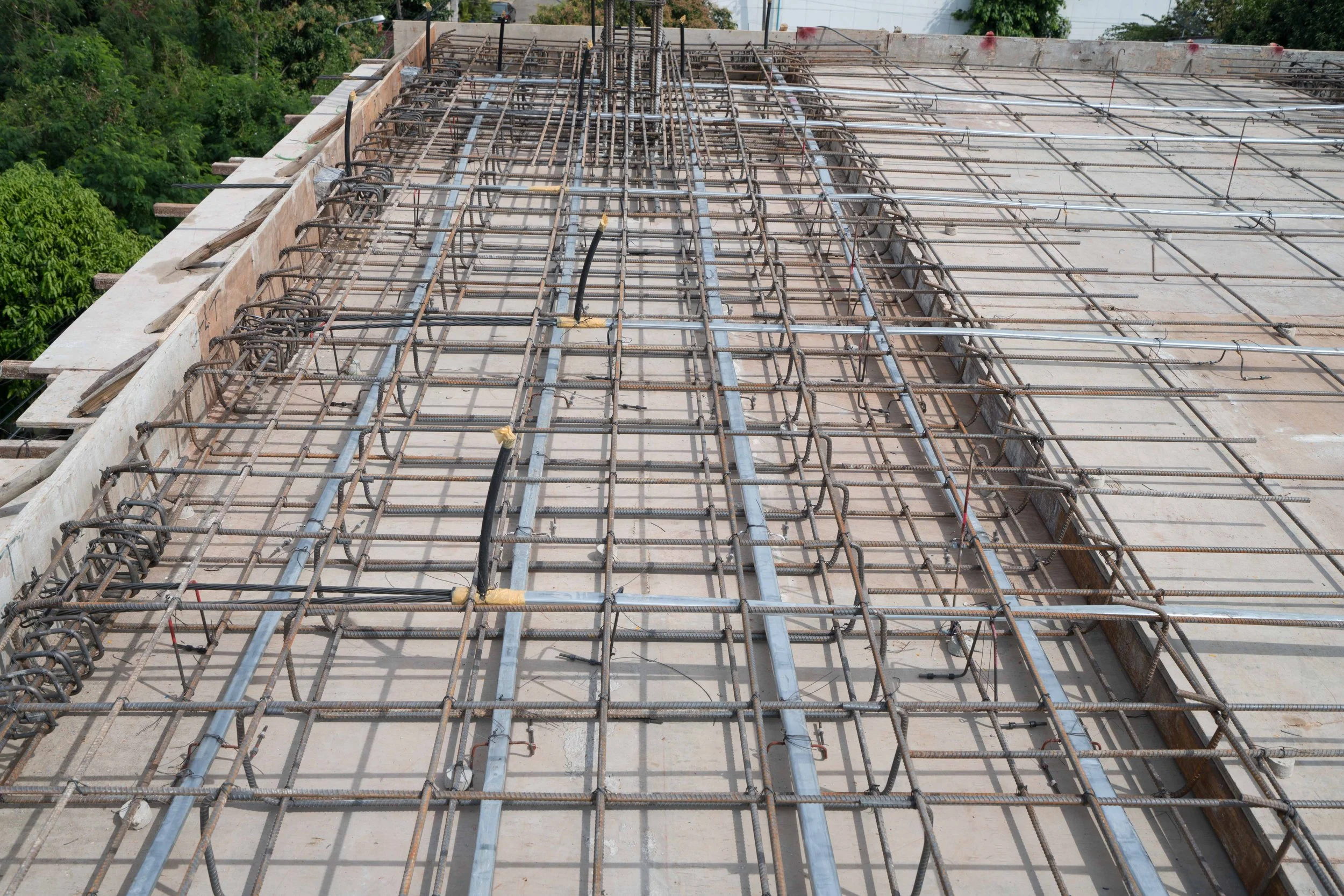
• Galvanised ducts profiled through the slab
• 12.7mm or 15.2mm high-strength steel strand (tendons)
• Hydraulic stressing to engineered specifications
• Anchoring and grouting for long-term durability
The result is a stronger, more efficient structural system.
Smarter Material Handling
PT strand delivers approximately four times the strength of conventional reinforcement.
The outcome:
• Reduced steel weight
• Lower cranage demand
• Cleaner, more efficient site logistics
Better Structural Efficiency Below
Reduced dead loads allow more economical column and footing design.
In multi-storey builds, smaller column sizes can increase net lettable floor area - improving
overall project value.
The Bottom Line
Post-tensioning delivers:
• Greater structural efficiency
• Faster programme performance
• Improved commercial outcomes
• Long-term durability
It’s not just stronger concrete.
It’s smarter structural delivery.
Why Post-Tensioning?
Post-tensioning isn’t just a structural upgrade - it’s a smarter way to build.
It improves performance, reduces cost pressure, and increases design flexibility across residential and multi-level construction.
Here’s what that means in real terms.
Build Bigger. Use Less.
Post-tensioning allows for longer spans with fewer columns.
The result?
Larger open floor areas, greater layout flexibility, and improved commercial return.
Reduce Structural Weight. Reduce Cost.
High-strength strand replaces large volumes of conventional reinforcement.
Less steel. Less concrete. Less formwork.
Better structural efficiency and stronger overall project economics.
Build Taller - Or Build Leaner.
Thinner slab profiles reduce floor-to-floor height.
That can mean:
• More levels within the same height envelope
• Reduced façade costs
• Improved planning flexibility
Control Movement. Protect the Finish.
Post-tensioned slabs significantly reduce deflection under load.
That means:
• Better long-term slab performance
• Reduced cracking
• Improved serviceability
Faster Construction Cycles
Earlier formwork stripping and reduced back propping accelerate the build programme.
Speed matters - especially when PT sits on the critical path.
Contact us
Ready to get started?
Send through your project information and we’ll respond promptly to discuss how DTC can support your programme.